
Explore the rich history of Penang, from its early settlements to its cultural transformation.
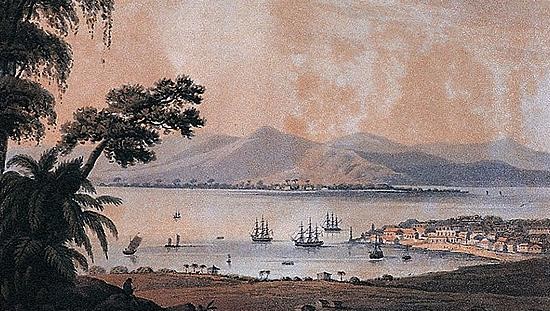
Prior to the arrival of the English, Penang was originally part of the Malay Sultanate of Kedah. At that time, it was known as a harbor for pirates. In 1786, Francis Light established Penang as the first British trading post in the Far East. Light persuaded the Sultan of Kedah to cede Penang to the British East India Company in exchange for military protection from the Siamese and Burmese armies, which were threatening Kedah. On 11 August 1786, Captain Francis Light, known as the founder of Penang, landed on the island and renamed it Prince of Wales Island in honor of the heir to the British throne.
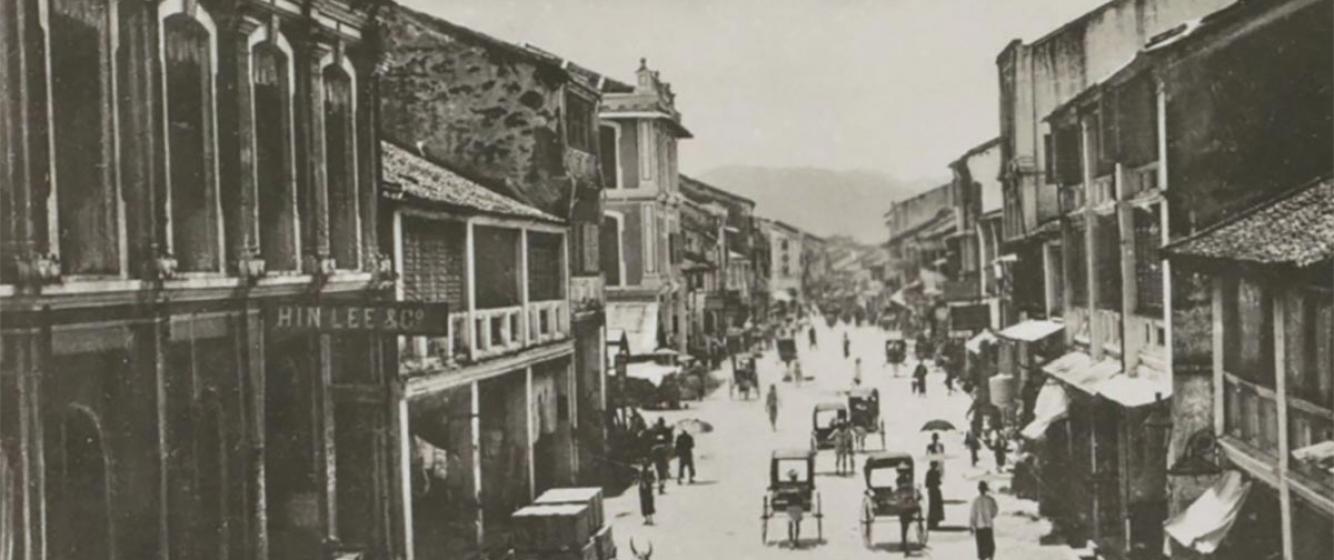
In 1826, Penang became part of the Straits Settlements, a British administrative unit that included Penang, Malacca, and Singapore. This consolidation under the British East India Company aimed to strengthen control over trade routes and counter Dutch influence in Southeast Asia. Penang served as the administrative center and remained a vital trading hub due to its strategic location along the Malacca Strait. The island's population grew with a multicultural mix of Chinese, Indian, and Malay settlers, contributing to its development as a cosmopolitan port city. This marked a significant step in Penang's transformation under British rule.
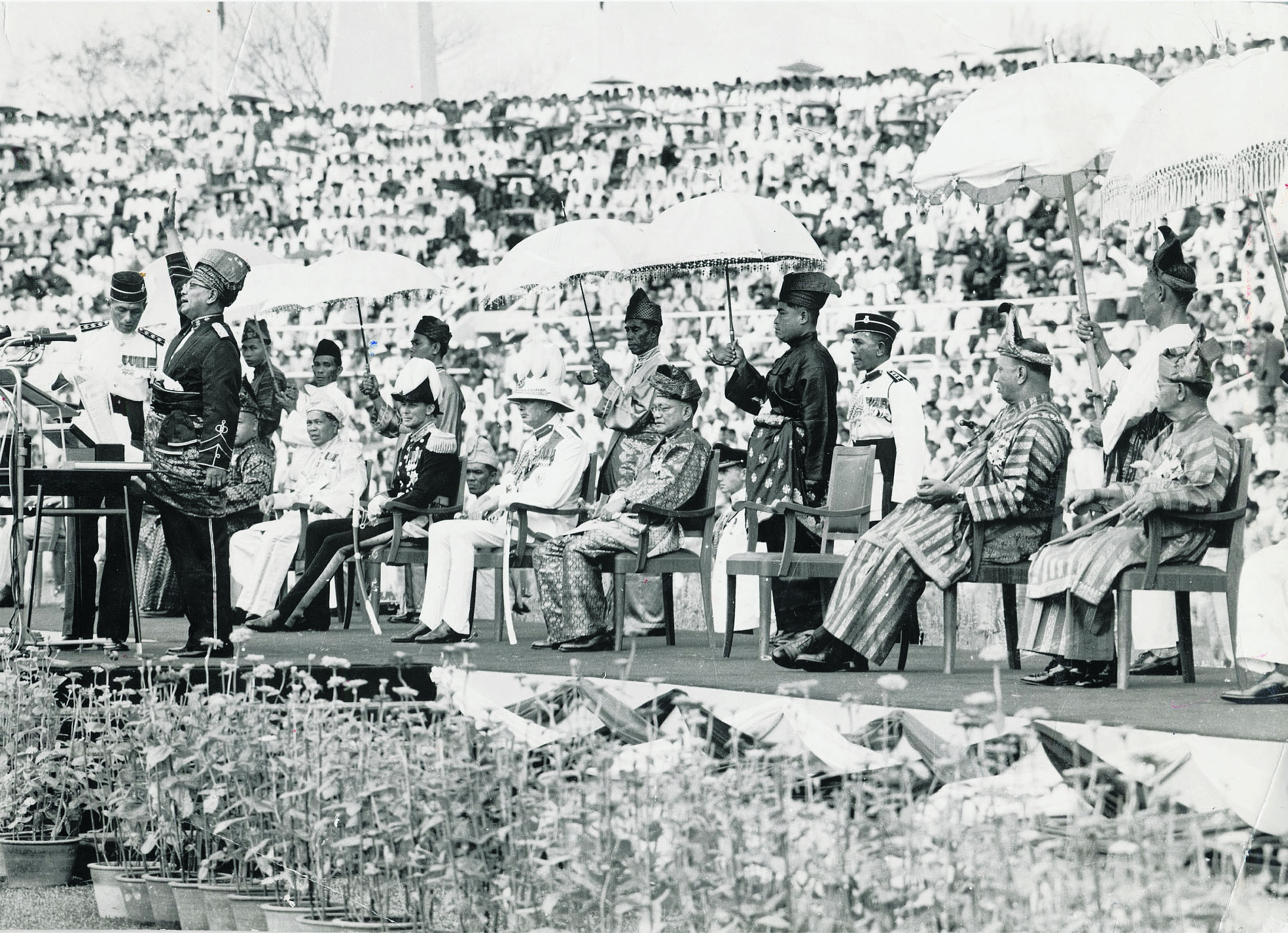
On 31 August 1957, the Federation of Malaya, which included Penang, gained independence from Britain, forming a sovereign nation under the leadership of the first Prime Minister, Tunku Abdul Rahman. Although Penang had initially feared losing its status as a free port due to its integration into the Federation, the island embraced independence as part of the new nation. This transition ended over 170 years of British control and laid the foundation for Penang's role in the emerging independent Malayan state, which later became Malaysia in 1963.
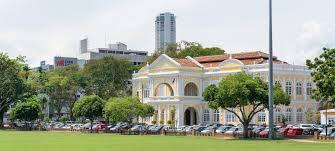
The historic George Town, the capital city of Penang, was jointly listed with Melaka under the category of "Historic Cities of the Straits of Malacca." This recognition highlighted George Town's unique multicultural heritage and well-preserved colonial architecture, reflecting the cultural and trading exchanges that occurred over centuries in the region.
The UNESCO status brought international attention to Penang, boosting its tourism industry and reinforcing efforts to preserve its rich historical and cultural assets. It also inspired local pride and encouraged sustainable urban development to maintain the city's heritage charm while accommodating modernization.
Last Updated: